
Waterproofing in Stevens Point, WI
Request an estimate to address foundation waterproofing needs for your home.
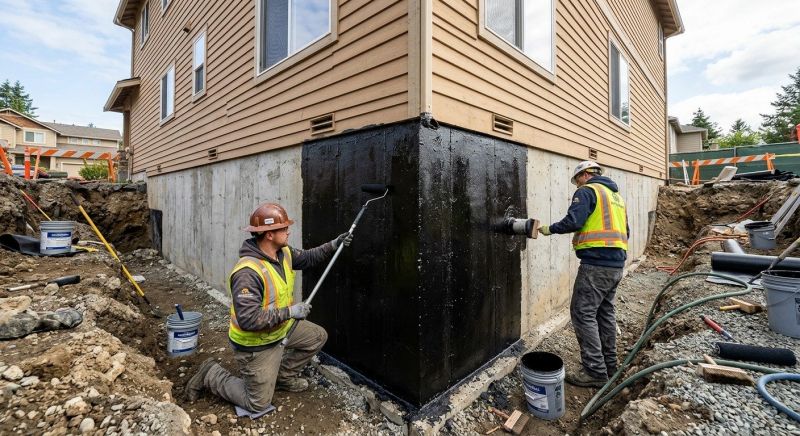
Waterproofing Project Planning
Determine the specific foundation wall or basement area requiring waterproofing and assess current moisture, cracks, or water intrusion issues.
Decide whether to prioritize membrane barriers, drainage systems, or sealants, and determine if repairs or replacements are necessary for substrates or drainage equipment.
Review proposed waterproofing materials, system coverage, installation methods, and warranties to ensure consistency and comprehensiveness between estimates.
Waterproofing Service Guide
Learn about this service and how it relates to the work you need.
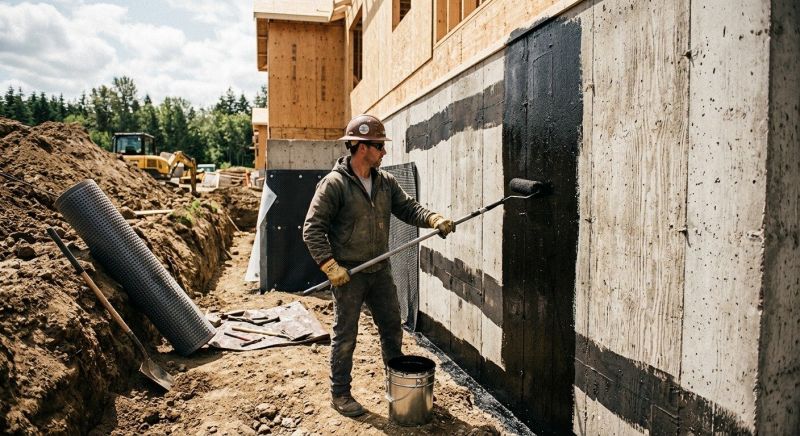
Foundation Waterproofing
Address basement or foundation wall water intrusion by applying waterproofing membranes or sealants when cracks or moisture issues are present.
What to Expect
Use these general planning benchmarks to frame the project before requesting an estimate.
Common Questions
Quick answers to practical questions about waterproofing.
How can I determine if waterproofing repairs are sufficient or if foundation replacement is necessary?
An assessment of cracks, moisture, and structural integrity helps decide if repairs can fix issues or if replacement is needed.
What materials are typically used for basement waterproofing, and how do I choose the right one?
Common materials include membranes, sealants, and drainage systems; selection depends on your foundation's condition and water intrusion severity.
What preparation steps are required before waterproofing installation to ensure proper adhesion and effectiveness?
Clear the area of debris, ensure proper drainage, and fix existing cracks or damage for optimal waterproofing system performance.
How does waterproofing work with existing drainage systems, and are modifications often needed?
Waterproofing systems often integrate with or upgrade existing drainage; modifications may be necessary for optimal water diversion and protection.
What is involved in maintaining waterproofing systems after installation to ensure longevity?
Regular inspections for cracks, moisture, and drainage blockages help maintain waterproofing effectiveness over time.
Share your project type, property details, and main goal to request an estimate.
Get A Local Estimate


